
Watering is the most important factor in successfully growing new grass seed. Proper watering helps seeds germinate, develop roots, and establish into a healthy, durable lawn. In North Texas, where heat and dry conditions are common, following the correct watering schedule is essential to prevent seeds from drying out or failing to grow.
Understanding how often to water new grass seed—and adjusting based on your grass type—will give your lawn the best chance to thrive.
Why Watering Is Critical for New Grass Seed
Grass seed needs consistent moisture to germinate. If the soil dries out, the germination process can stop completely, and the seed may fail to grow.
Proper watering helps:
-
Activate germination
-
Support early root development
-
Prevent seeds from drying out
-
Promote even lawn growth
The key is to keep the soil consistently moist—but not soaked.
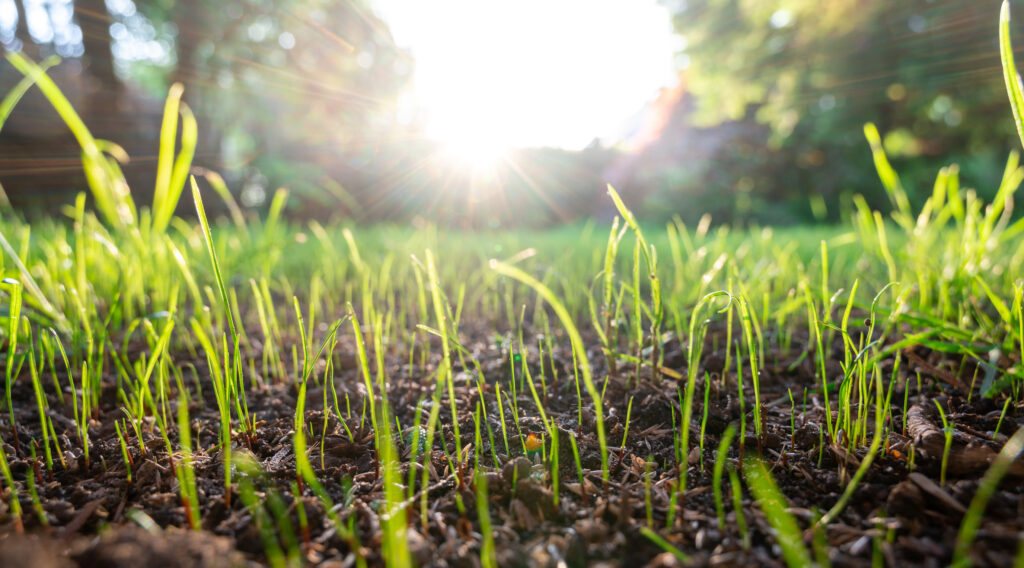
Watering Schedule for New Grass Seed
The watering schedule changes as the grass develops.
Days 1–14: Keep Soil Consistently Moist
Water 2 to 4 times per day for short periods.
-
Light watering in the morning, midday, and afternoon
-
Keep the top 1–2 inches of soil moist
-
Avoid puddling or runoff
This stage is critical for germination.
Weeks 3–4: Reduce Frequency, Increase Depth
Water once per day or every other day.
-
Begin encouraging deeper root growth
-
Water longer, but less frequently
-
Allow the surface to dry slightly between watering
After 4–6 Weeks: Transition to Normal Watering
Water 2 to 3 times per week.
-
Water deeply to encourage strong roots
-
Most North Texas lawns need about 1 to 1.5 inches of water per week
Grass Types in North Texas and Their Water Needs
North Texas lawns commonly use Bermuda, Zoysia, and St. Augustine grass. Each has slightly different watering needs.
Bermuda Grass
Bermuda grass is one of the most popular grasses in North Texas because it tolerates heat and drought well.
Germination time: 7–14 days
Watering needs: Frequent light watering during germination
Once established, Bermuda grass requires less water than other grass types and is highly drought-resistant.
Best for:
-
Full sun areas
-
High-traffic lawns
-
Low-maintenance watering long-term
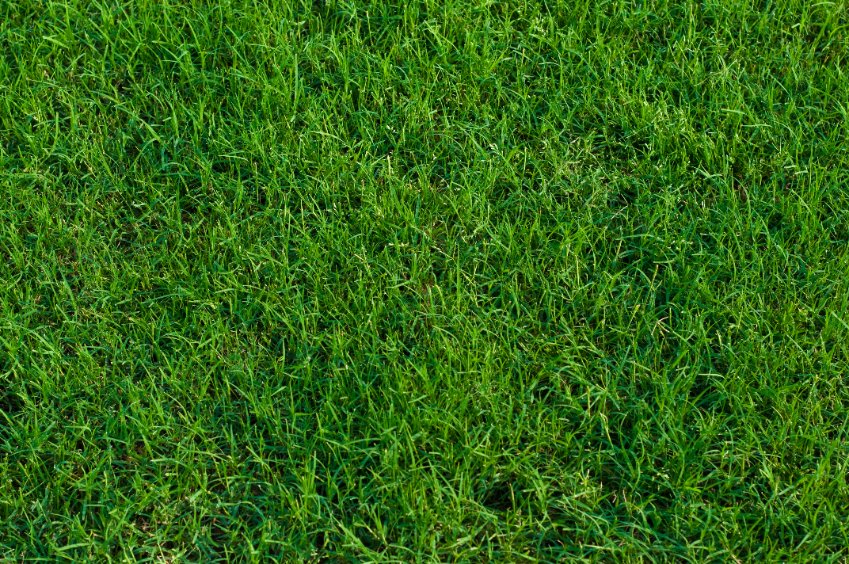
Zoysia Grass
Zoysia grass is known for its dense growth and durability.
Germination time: 14–21 days
Watering needs: Consistent moisture during early growth
Zoysia requires careful watering early on but becomes more drought-tolerant once established.
Best for:
-
Lawns with sun and partial shade
-
Homeowners wanting a thick, lush lawn
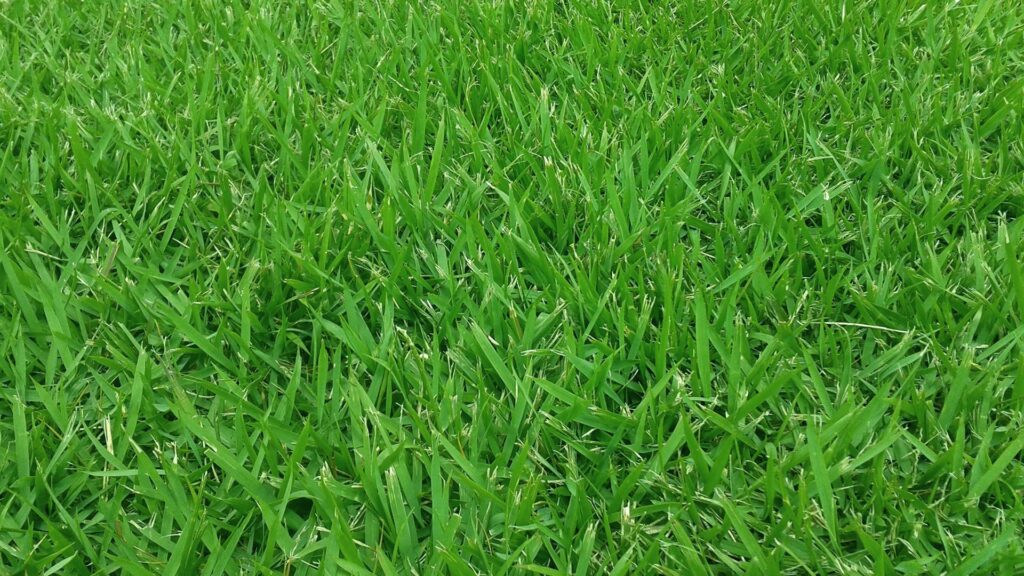
St. Augustine Grass
St. Augustine grass performs well in North Texas and is especially good for shaded areas.
Germination note: St. Augustine is usually installed as sod rather than seed, but new growth still requires careful watering.
Watering needs: More frequent watering than Bermuda once established
Best for:
-
Shaded lawns
-
Homes with large trees
-
Areas where other grasses struggle
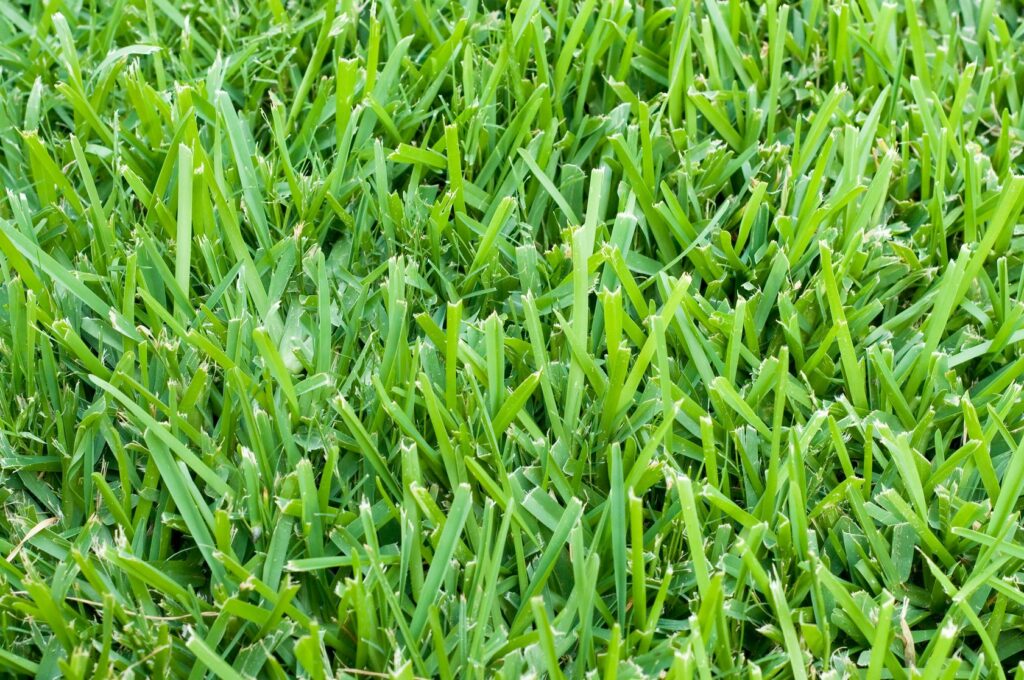
Signs You Are Watering Correctly
Healthy new grass should show:
-
Even green growth
-
Moist soil surface
-
No dry or bare patches
-
Gradual thickening of grass coverage
These signs indicate successful germination and root development.
Signs You Are Not Watering Enough
Watch for these warning signs:
-
Dry or cracking soil
-
Patchy grass growth
-
Seeds not germinating
-
Brown or thin areas
Underwatering is one of the most common reasons grass seed fails.
Signs of Overwatering
Too much water can also cause problems.
Watch for:
-
Mushy soil
-
Puddles or standing water
-
Mold or fungus
-
Weak root growth
Proper balance is essential.
Tips for Watering New Grass Seed Successfully
Follow these best practices:
-
Water early in the morning
-
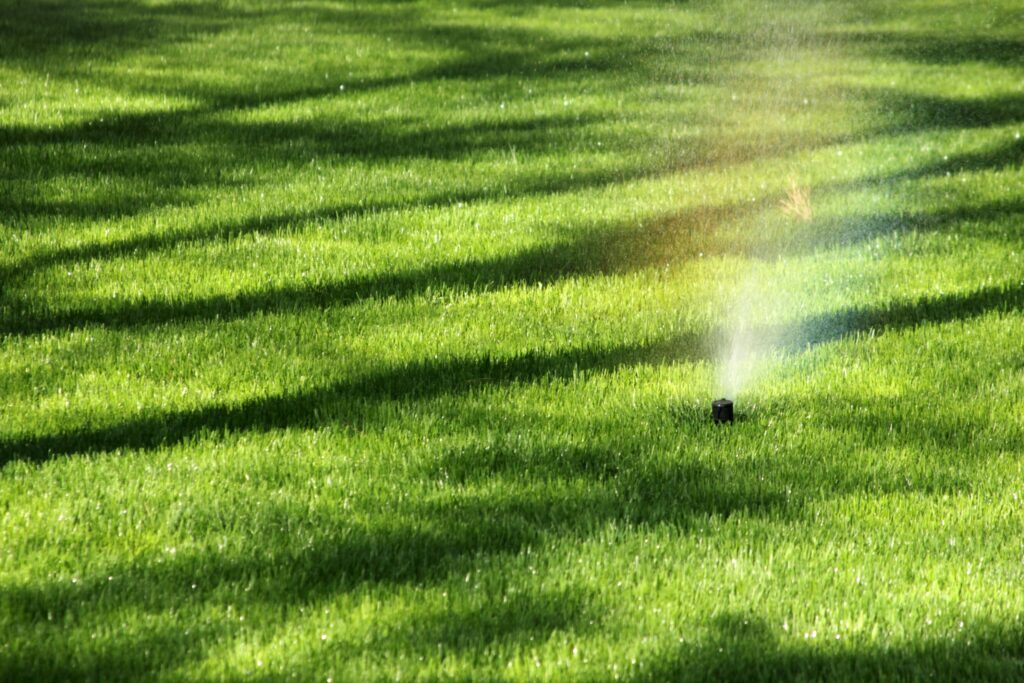
Use a sprinkler for even coverage
-
Avoid watering during peak afternoon heat
-
Keep soil consistently moist during germination
-
Gradually reduce watering as grass matures
Consistency is key to successful lawn establishment.
Professional Lawn Care Helps Ensure Success
Establishing new grass can be challenging, especially in North Texas heat. Professional lawn care services can help with proper soil preparation, grass selection, and watering guidance to ensure successful growth.
Proper care during the first few weeks is critical for developing a healthy, long-lasting lawn.
Sod Installation: A Faster Way to Get a Healthy, Beautiful Lawn
If you want a beautiful lawn without waiting weeks for grass seed to grow, sod installation is the fastest and most reliable solution. Unlike seed, which requires careful watering and time to germinate and fill in, sod provides an instantly green, fully established lawn.
Because sod already has mature grass and roots, it establishes quickly, reduces erosion, and creates a uniform appearance right away. Professional sod installation allows homeowners to enjoy a healthy, durable lawn much sooner while avoiding the uncertainty and maintenance challenges that often come with growing grass from seed.
Final Thoughts
New grass seed should be watered several times daily during the first two weeks, then gradually reduced as roots develop. Bermuda, Zoysia, and St. Augustine grasses all thrive in North Texas when given proper care and watering.
By following the correct watering schedule, you can establish a healthy, beautiful lawn that enhances your property’s appearance and value. Sign up for professional lawn care services.