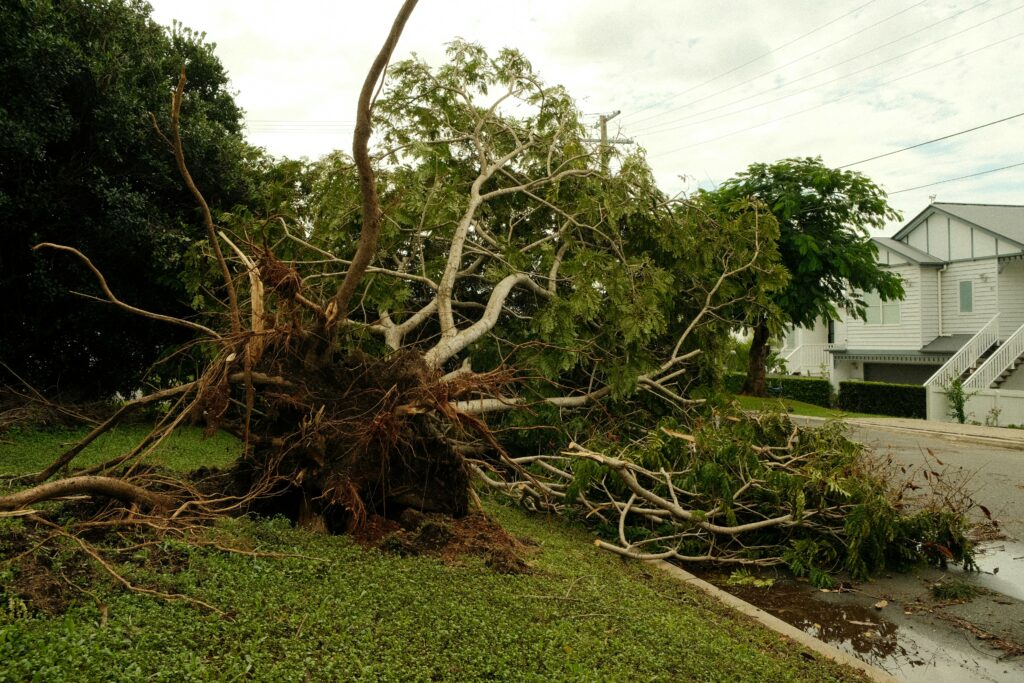
Storms can leave behind a trail of destruction, and trees are often among the hardest hit. From broken limbs to uprooted trunks, the cleanup can be costly and stressful for homeowners. Naturally, many people wonder: Is storm damage to trees tax deductible? The short answer is—sometimes, but not always. Let’s break it down.
Understanding Tax Deductibility for Tree Damage
According to IRS guidelines, tree damage caused by sudden, unexpected events such as storms, hurricanes, or tornadoes may qualify as a casualty loss deduction. However, there are some important caveats:
-
Personal vs. Business Property: If the damaged tree is on your personal property, deductions are more limited. For business properties (like rental homes or commercial land), the rules are different and often more favorable.
-
Extent of Loss: The deductible amount is usually based on the decrease in your property’s overall value due to the damage, not just the cost of tree removal.
-
Insurance Coverage: If your insurance reimburses you for tree removal or storm damage, you cannot deduct that amount. Only unreimbursed losses may be eligible.
When You Might Qualify
Here are scenarios where you may be able to claim storm damage to trees as a deduction:
-
A severe storm causes a tree to fall and significantly reduces your property’s value.
-
The tree was not removed voluntarily, but as a result of sudden destruction.
-
You did not receive full compensation from your insurance provider.
For more insights on responsibility after a storm, check out this guide: If a Tree Falls in a Storm, Who Is Responsible?
When You Likely Cannot Deduct Tree Damage
-
If you voluntarily cut down a tree (not storm-related).
-
If insurance fully covered the removal or repair costs.
-
If the damage didn’t significantly affect your property’s value.
What Homeowners Should Do
-
Document the Damage: Take photos and keep records of any damage and cleanup costs.
-
Contact Your Insurance Provider: Find out what’s covered under your policy.
-
Consult a Tax Professional: Tax rules can be complex. A licensed professional can confirm if your specific situation qualifies.
Final Thoughts
While storm damage to trees may be deductible in certain circumstances, it’s not always straightforward. The best approach is to document everything, check with your insurance provider, and seek guidance from a tax expert.
👉 In the meantime, keeping your trees healthy and properly maintained can reduce storm risks. For expert care, trimming, and storm damage cleanup, explore our tree services today and protect your property before the next storm hits.
Frequently Asked Questions About Tree Damage and Taxes
1. Does the IRS allow deductions for tree removal after a storm?
Not always. You can’t deduct the cost of tree removal itself unless the damage meets the IRS definition of a casualty loss—a sudden, unexpected, or unusual event. Even then, the deduction is usually based on property value loss, not just removal costs.
2. What if a tree damages my neighbor’s property?
Generally, if your healthy tree falls due to a storm, your neighbor’s insurance covers their damage. You’re usually only liable if negligence can be proven (like ignoring a dead or diseased tree).
3. Can I deduct tree damage if my insurance covers part of the cost?
No—you can only deduct unreimbursed losses. If your insurance pays for removal or repair, that portion cannot be claimed on your taxes.
4. Do business property owners have different rules?
Yes. Business and rental property owners may have more options for deducting storm damage. Consult a tax professional for specific guidance.
5. How can I reduce the risk of storm damage to my trees?
Regular maintenance—like pruning, trimming, and removing hazardous limbs—goes a long way toward protecting trees.