If you’re asking “Can I remove trees from my property?”, the answer isn’t always straightforward. Whether you’re dealing with a hazardous tree, planning a landscaping project, or just tired of raking leaves, tree removal involves important legal, safety, and environmental considerations. Before you start cutting, here’s what every property owner should know about removing trees from private land.
1. Can You Legally Remove a Tree on Your Property?
The short answer: It depends.
✔ In most cases, yes – If the tree is fully on your property and not protected, you can remove it.
❌ But check first – Many cities and HOAs have rules about tree removal, especially for:
-
Large, mature trees (even on private property)
-
Protected species (like heritage oaks)
-
Trees near property lines (neighbor disputes are common!)
Pro Tip: Call your local city planning office or HOA before cutting anything down—fines can be steep!
2. Should You Remove It Yourself?
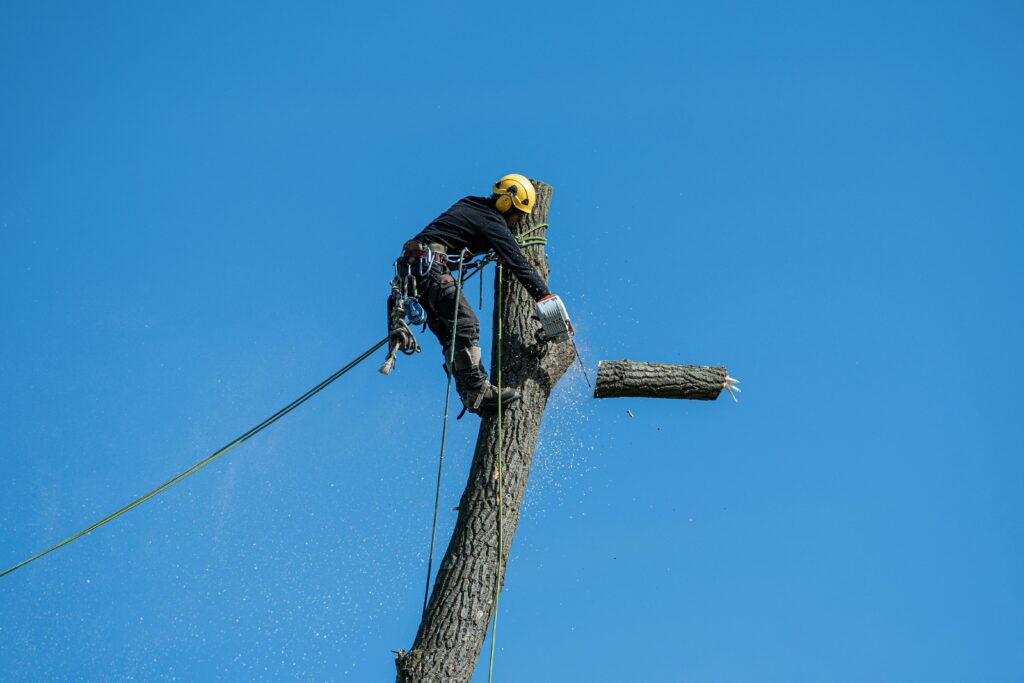
Unless it’s a small tree, DIY removal can be dangerous. Consider hiring pros if:
-
The tree is near power lines, structures, or fences
-
It’s larger than 15 feet tall
-
You’re not experienced with chainsaws
3. What About the Stump?
Cutting down the tree is only half the battle—leftover stumps can:
-
Attract termites and pests
-
Create trip hazards
-
Regrow into new trees (yes, really!)
Don’t leave a tree stump behind after removal—have it professionally removed or ground down to prevent pests, regrowth, and tripping hazards. It’s faster and safer than DIY methods.
4. When Should You Definitely Remove a Tree?
🚩 Warning signs it’s time to say goodbye:
-
Dead or dying branches (especially if they’re falling)
-
Fungal growth (mushrooms at the base = internal rot)
-
Leaning suddenly (could fall in a storm)
-
Root damage (lifting sidewalks or foundations)
5. What If You’re Not Sure?
When in doubt, get a certified arborist’s opinion. They can tell you:
-
If the tree can be saved
-
The safest removal method
-
Whether permits are needed
Pro Tip: Always get multiple quotes before hiring a tree service—prices vary widely!
Common Questions Answered
Do I need a permit to cut down a tree on my property in Texas?
It depends on your city or municipality. Some Texas cities—like Dallas, Austin, and Plano—have tree protection ordinances requiring a permit to remove certain tree species or trees over a specific trunk diameter. Always check with your local city or county government before cutting down a tree.
Can I remove a tree from my yard?
Yes, you can generally remove a tree from your yard if it’s on your private property and not protected by local ordinances. However, be sure to verify local regulations first, especially for large or heritage trees, and consider hiring a professional for safe removal.
Does removing trees lower property value?
Removing healthy, mature trees can lower your property value by reducing curb appeal, shade, and natural landscaping features. However, removing dead, diseased, or dangerously located trees can actually increase safety and improve your yard’s usability—potentially enhancing value in the long run.
Final Thoughts: Tree Removal Done Right
Final Answer: Can You Remove Trees From Your Property?
While you can typically remove trees from your property, it’s not always a simple “yes or no” decision. The final answer depends on:
✔ Local regulations (some trees are protected)
✔ Safety considerations (size/location of the tree)
✔ Long-term impacts (soil stability, wildlife, property value)
Before removing any trees from your property:
1️⃣ Verify local ordinances
2️⃣ Assess the tree’s health and risk factors
3️⃣ Consult neighbors if near property lines
4️⃣ Consider professional tree services for safe removal
Remember: When in doubt about removing trees from your property, a certified arborist can provide the best guidance for your specific situation.